01 / Capability · Building Automation
Building Management Systems
BMS head-end supervision — alarms, trends, schedules and reporting for the team that runs the building.
Unified BMS head-end tying HVAC, lighting, energy, life-safety and security into one operator view.
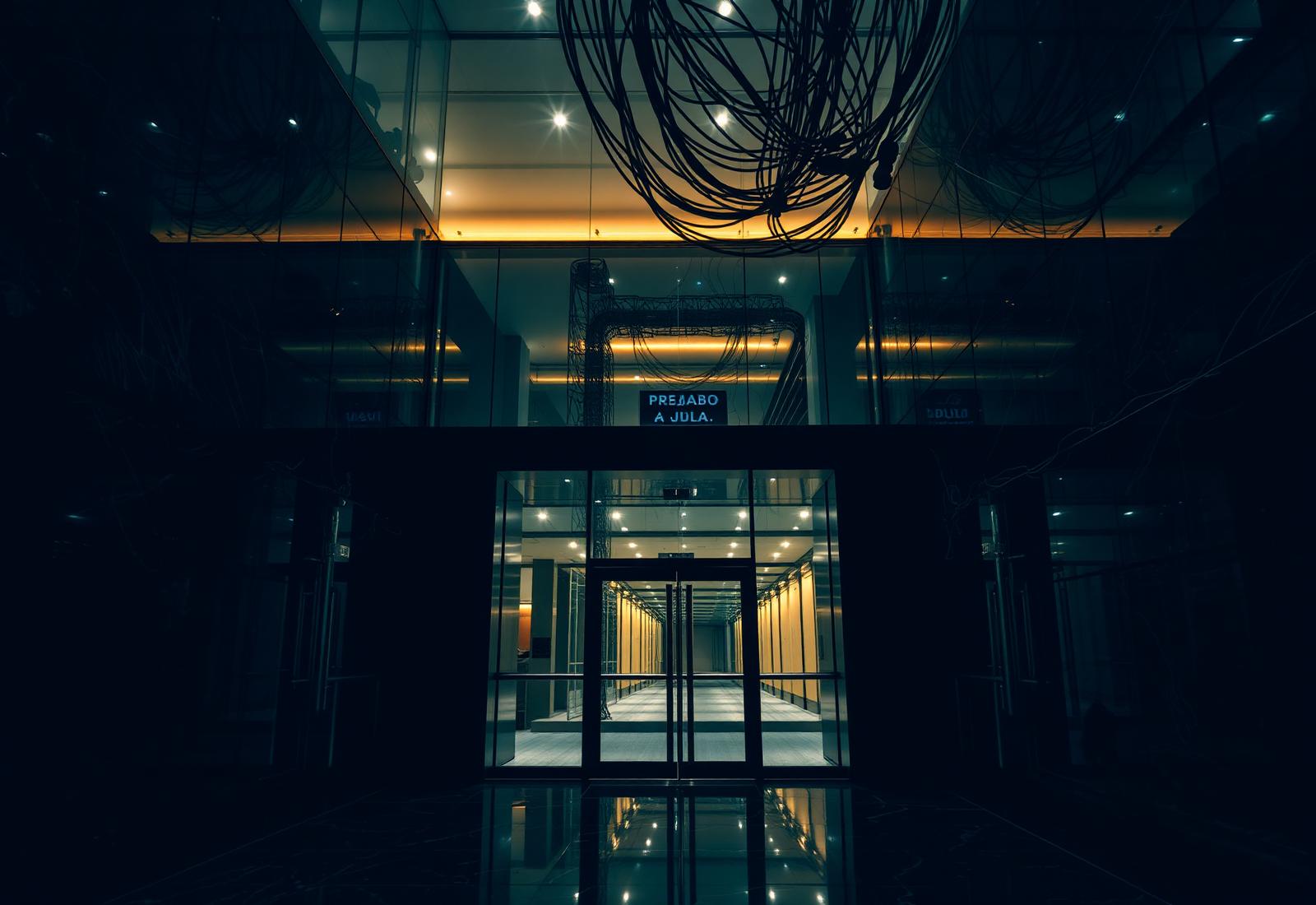
02 / The control layer
A Building Management System is the head-end that supervises everything else — plant, HVAC, lighting, metering and interfaces — and turns them into information the operating team can act on.
Zentrum designs BMS platforms alongside the MEP consultant so the graphics, alarm lists, trends and schedules reflect the way the building is actually run.
Part of Building Automation.
03 / System layers
How control is structured.
The BMS head-end is only as useful as the design behind its graphics and alarm structure. Getting the naming, zoning and information architecture right at design stage is the difference between an operable system and a screen the team ignores.
- 01 /
Sensors and devices
Sensors, actuators, keypads, thermostats and metering points distributed through the spaces.
- Climate
- Lighting
- Shading
- Metering
- 02 /
Controllers
Local controllers and panels holding the logic for a room, a floor or a plant item.
- 03 /
Control network
Cabling, containment and network segments carrying control traffic reliably and separately.
- 04 /
Automation layer
Scenes, schedules, setpoints, trends and alarm logic written against how the space is actually used.
- Scenes
- Schedules
- Trends
- 05 /
Interfaces
Defined interfaces to security, communication and life-safety systems, with life safety taking priority.
- 06 /
People
Residents, facilities teams and engineering staff, each given only the level of control they need.
Outcome /
One control layer instead of several unrelated systems.
The same shape of architecture serves a villa and a workplace; the interface and the exposure change.
04 / Design principles
What good control behaviour looks like.
Head-end supervision
Graphics and dashboards that show what the building is doing at a glance.
Alarm handling
Prioritised alarm lists routed to the people who can act on them.
Trends and reports
Historical trends for plant behaviour and consumption over time.
Schedules and setpoints
Scheduling and setpoint management the operating team can maintain.
Integrations
Structured interfaces to lighting, metering, security and safety where the design calls for them.
01 /
Long-life choices — open protocols, documented points lists
02 /
Integration with fire and access for an operator-friendly view
03 /
Maintenance, assessment and upgrade of the installed systems where agreed
05 / Where it is used
One legible picture of the building.
Workplaces and headquarters
Offices where the systems are judged on how little attention they need day to day.
ExploreHotels and resorts
Guest-facing and operational systems planned together, and commissioned around opening.
ExploreAlso delivered in: Corporate offices and headquarters · Mixed-use developments · Hospitality · Retail · Development common areas.
06 / Coordination and delivery
How the package runs.
- 01 /Read the MEP design and understand how the building is meant to run.
- 02 /Design the head-end graphics, naming and alarm structure around that.
- 03 /Coordinate points list, cabling and interfaces with the project team.
- 04 /Configure, integrate and commission with the operating team present.
- 05 /Hand over documentation and training that outlast the project.
- 01BMS supervisory software and graphics for the operations desk
- 02BACnet / Modbus integrations across third-party plant
- 03Alarm management, trend logging and reporting
- 04Remote-access architecture for the facilities team
07 / Related systems
What this connects to.
- Building AutomationHVAC, lighting and energy control for commercial towers, communities and hotels across the UAE.
- Intelligent BuildingsWhole-building intelligence — every subsystem talking to every other, on a single design language.
- Data CentresIn-building data-centre design — power, cooling, containment, cabling, security and monitoring.
- Data & IT Infrastructure
- The head-end lives on the building network and shares the cabling plant.
- Electronic Security
- Access and event state can inform BMS logic through defined interfaces.
- Safety Systems
- Life-safety signals take priority through dedicated interfaces to the BMS.
- Connected Communication
- Alarms and events can be routed to communication endpoints as needed.
Technology ecosystem /



Next step /
Talk to us about the control layer.
Planning lighting, climate or building control for a new project?